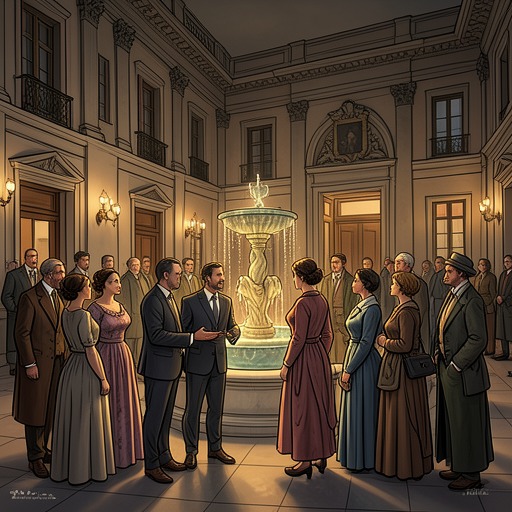
Finnish passport stolen by the Count
A Gentleman in MoscowThe Finnish passport stolen by the Count is the crucial document in Count Alexander Ilyich Rostov’s attempt to escape the Metropol and reach Finland. Because foreign visitors in Russia generally carried their passports with them, he could not simply enter the Finnish guests’ empty suite after they went sightseeing: he had to take the document while they were still staying in the hotel. Its theft therefore becomes both a practical feat of timing and the first identifiable link in the authorities’ reconstruction of his flight.
Purpose and Constraints
From the beginning, the Count planned to steal what he needed from a Scandinavian guest: a Norwegian, Dane, Swede, or Finn. Such visitors were common enough at the Metropol, but the theft could not happen too early. A guest who discovered a missing passport might alert the hotel manager, prompting official interviews, searches of rooms, or guards at railway stations. The Count needed the document near the moment of departure, leaving little time for error and no safe opportunity to take it from an unattended room the following morning.
His prospects narrowed as potential targets disappeared. A Stockholm salesman checked out on June 13; an Oslo journalist was recalled by his newspaper on June 17. The Count reproached himself for not acting sooner. With only twenty-four hours to spare, two tired Finns arrived at the Boyarsky Restaurant and sat at his table. Their presence supplied the opportunity, but their passport remained on the gentleman’s person or in the suite they occupied. The Count would have to enter that suite at night, while both visitors were inside.
The Theft in Suite 322
At 9:30, the Count offered the Finns the dessert cart. They declined, saying they were exhausted and ready for bed. After midnight, once the Boyarsky Restaurant had closed and the Count had bid goodnight to Andrey and Emile, he went to the third floor, removed his shoes, and used Nina’s hotel passkey to slip into suite 322 in his stocking feet. He entered the Finns’ bedroom quietly and approached their bed in the narrow light that remained between the curtains, drawn against the June white nights.
Within minutes, he had taken the gentleman’s passport and 150 Finnish marks from the bureau. He passed through the sitting room and returned to the hallway, which appeared empty. The passage ends on an immediate, comic complication: his shoes were gone, apparently collected by the night service for shining. The episode makes the passport part of a larger act of concealment, requiring the Count to move without shoes as well as without attracting the sleeping guests’ attention.
From Stolen Document to Escape Route
At three in the morning, the Count entered the lobby-floor belfry and climbed with the stolen passport and Finnish marks in his pocket. At a landing on the fourth floor, he came upon the hotel’s one-eyed cat. He stood there in stocking feet, with pistols in his belt and stolen goods in his hand; the cat turned its blind eye toward him and disappeared down the stairs. The moment gives the passport a visible place in the escape’s accumulating risks: it is not yet a ticket to freedom, but an incriminating object the Count must carry through the hotel.
The later account by investigators supplies the route they believed he took. Two nights before their report, a Finnish passport and currency had been stolen from a Finnish guest; the following night, an American journalist lost a raincoat and hat. Investigators learned that a man wearing those clothes had boarded the overnight train to Helsinki. The garments were then found in a washroom at the Russian terminus in Vyborg, together with a Finland Baedeker guide from which the maps had been removed. Because security at the railway crossing into Finland was tight, the authorities presumed that the Count had left the train at Vyborg and attempted to cross the border on foot. They alerted local security, but acknowledged that he might already have escaped them.
Evidence, Mobility, and Uncertainty
The passport’s importance comes from the border it might help the Count cross and the surveillance that makes its theft legible to the state. The plan depends on acquiring an ordinary visitor’s document, preserving time to use it, and avoiding the chain of reporting and searches that its disappearance could set in motion. The subsequent theft of the journalist’s clothes, the train to Helsinki, and the abandoned garments and map-less guide at Vyborg turn the document into part of an inferred itinerary rather than proof that the crossing succeeded.
The narrative leaves the outcome unresolved in the investigators’ account: the Count may already have slipped through, but local security has been alerted. Thus the passport marks a decisive change in his circumstances without guaranteeing the result. It carries him from the concealed theft inside suite 322 into a wider contest over movement, documentation, and the guarded Finnish border; whether it finally served its purpose is not confirmed in this evidence.